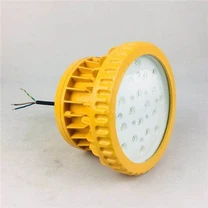


If you only see a certain heat dissipation patch, heat dissipation paste, heat dissipation paint or thermal conductive film with a good heat dissipation coefficient, you may think that high heat can be conducted out, and you may be disappointed. It is expected that the temperature will drop, the LED epitaxy will not decay due to overheating, the life of the street lamp can be effectively extended, and the acceptance will be passed smoothly. It may not happen.
Etching and applying tin from the substrate circuit, coating LED backlight ink, applying protective adhesive film, baking in the oven, leveling the whole board, pasting the thermal conductive adhesive film, and then combining the heat dissipation module with adhesive or locks, this is a cumbersome process. It can be found that the material with the best thermal conductivity will also be defeated by the thermal resistance. Air, non-adherent pores at joints, heat dissipation pads, powder formed by the evaporation of heat dissipation paste silicone oil, and the film thickness of the multi-layer thermally conductive adhesive film will form thermal impedance. These multi-layer thermal resistances will hinder the heat conduction rate, and the heat conduction is very slow, and even cannot be conducted to the surface of the lamp, and the heat will continue to accumulate and increase. The white backlight ink on the surface of the aluminum substrate must not only reflect, but also radiate the heat of the lower layer through the backlight ink on the surface.
Some manufacturers ignore it and replace the LED-specific backlight ink with ordinary white text ink, which is equivalent to adding a layer of hard paint to seal the heat. After many failures, some manufacturers have accepted new concepts and processes, focusing on the overall cooling scheme. The aluminum substrate is coated with LED-specific heat-dissipating white backlight ink. If a slightly yellow backlight ink is specified, the reflectivity will be enhanced to 91%. The soft ceramic heat dissipation paint is sprayed between the copper foil substrate and the aluminum substrate, which can reduce the usage of Japanese thermal conductive adhesive film and improve the breakdown voltage at a very low cost.
To protect the lamps from the weather and environment, and effectively conduct the heat out, the cost-saving and effective method is to spray soft ceramic heat dissipation paint. Only starting from the overall heat dissipation concept and reducing thermal resistance interference is the key to the acceptance of large LED lamps. The protective shell of the lamp should abandon traditional electroplating or baking paint, which will seal the heat back into the lamp.