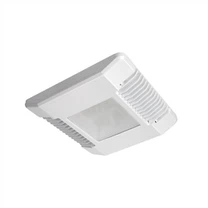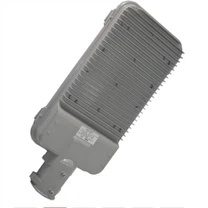


Most of the explosion-proof lamps and lanterns are classified as Class I lamps, and only a few are Class II and III lamps. For example: all-plastic explosion-proof lamps, explosion-proof flashlights.
First, it is classified according to the protection level of the housing: in order to prevent dust, solid foreign objects and water from entering the lamp cavity, touching or accumulating on live parts and causing dangers such as flashover, short circuit or damage to electrical insulation, there are a variety of housing protection methods. to protect electrical insulation. The enclosure protection level is characterized by the characteristic letter "IP" followed by two numbers. The first number indicates the protection against people, solid foreign objects or dust. Divided into 0-6 grades. Explosion-proof lamps are sealed lamps, and their dust-proof ability is at least grade 4. The second number indicates the protection ability against water, which is divided into grades 0-8.
Second, according to the material of the supporting surface of the lamp design: indoor explosion-proof lamps may be installed on many surfaces belonging to ordinary combustible materials, such as wooden walls and ceilings, which do not allow the temperature of the installation surface of explosion-proof lamps to exceed safe values. According to whether explosion-proof lamps can be directly installed on the surface of ordinary combustible materials, they can be divided into two categories.