

- Tel: +86-577-65481658
- Fax: +86-577-65481608
- Email: pansheldon@vip.163.com
- Add: No.15, Gongshang Rd, Huling Town, Ruian City, Wenzhou, Zhejiang Province, P.R.China
Front fog lights are a type of car light that helps the driver see clearly in front of the vehicle. It sits underneath the headlamp assembly and is designed to emit a "bar" wide beam with an acute angle cut off at the top to prevent it from reflecting into the fog. Fog lights are typically installed fairly low – typically about 12 to 30 inches from the road – and slope down to illuminate the ground under fog. Meanwhile, the rear fog lights are designed to glow red, just like your brake lights, to ensure that other drivers can see your car in low visibility conditions. It is sometimes placed in the middle of the rear bumper cover or in place of one of the reversing lights. Unlike headlights, fog lights (either in the front or rear) are not mandatory and are considered auxiliary lights. Fog lamps are often not standard on basic and lower-end models, so dealers sometimes offer car buyers the option of using them as an add-on.
Advantages of Fog Light
Preventing accidents
The primary benefit of fog lights is their ability to enhance road visibility, which is essential for preventing accidents and collisions in foggy conditions. By improving the illumination of the road, fog lights enable drivers to detect hazards sooner, allowing for timely and appropriate reactions.
Maintaining lane integrity
In dense fog, it can be particularly challenging to maintain your lane due to obscured lane markers. Fog lights help alleviate this issue by illuminating the sides of the road, assisting drivers in staying within their lanes and reducing the risk of head-on collisions or veering off the road.
Increasing vehicle visibility
Fog lights also significantly enhance the visibility of your vehicle to others on the road. Their brightness and strategic placement ensure that oncoming traffic and pedestrians can see your vehicle from a distance, thereby enhancing safety for all road users.
-
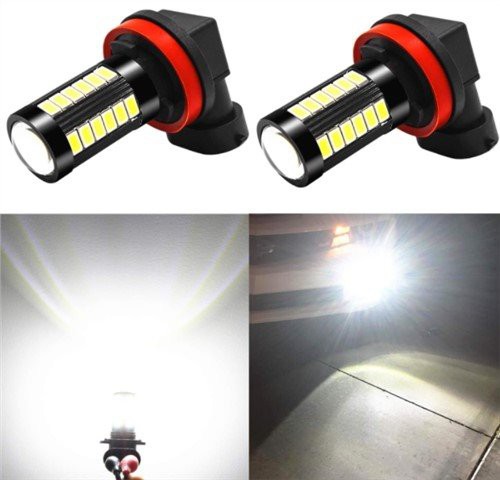 Add to Inquiry
 -
 Add to Inquiry
 -
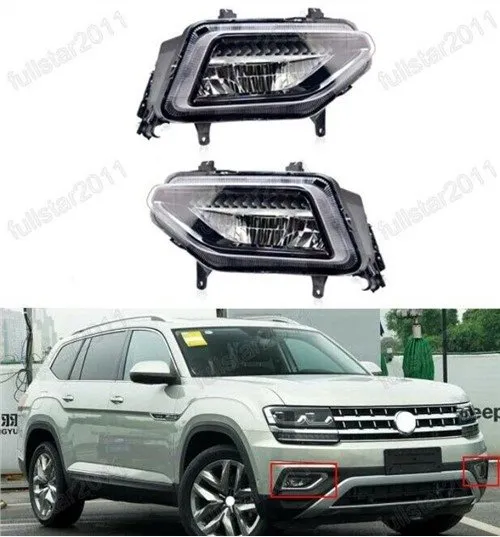 Add to Inquiry
 -
 Add to Inquiry
 -
 Add to Inquiry
Why Choose Us
Our factory
Ruian jingke electromechanical co., ltd. Was established in 2011, specializing in the research and development, production and sales of led lighting products for gas stations.
Our services
Give customers a detailed introduction before the sale, guide customers to buy the most suitable products, understand the maintenance after installation and use of customers, and provide customers with 5 years of quality assurance.
Our certificates
Tuv cb certification, national explosion-proof certification, first-class energy-saving and energy efficiency certificate, saso certification.
Our people
The company has 8 r&d personnel, mainly engaged in structural, electronic and optical design, providing customers with oem products, and striving to organically combine innovative intelligent technology with industrial design.

Fog
Fog is formed in the same way that clouds do—it's pretty much a giant cloud on the ground. Fog lights are especially made for situations where you find yourself having to traverse foggy areas, hence the name. Due to their low placement, the light that they produce is able to hit the ground underneath, rather than going straight into the fog and simply bouncing back like the light from your headlamps.
Heavy rain
Fog lights can also offer better visibility under heavy rainfall. High and low beams may produce glare when used in heavy rainfall, which is why you need fog lamps to help you see the road in front of you.
Dust storms
A sand or dust storm can occur in certain states, particularly in Arizona and New Mexico.
While it isn't recommended that you keep driving when faced with this frightening phenomenon, you will still need to maneuver your vehicle to safety while you wait for the storm to pass.
Blizzards
In areas where it is legal, they can help during heavy snowfall.
Fog lights are present on the rear and front of vehicles. Since front fog lights are not legally required, many manufacturers do not provide front fog lights.
If your vehicle does have front fog lights, these are usually found below the headlights, and illuminate the road directly in front of you.
Rear fog lights are shine at the back, alerting the vehicles behind you of your presence. At least one rear fog light will be found on vehicles, as it is a legal requirement.
Daytime running lights (DRL), on the other hand, are completely different, and are always on. They are mostly to make your car more visible, than to provide extra illumination. They have been a legal requirement in the UK since 2011.
Where Should You Mount Fog Lights
Cars and SUVs
Aftermarket fog lights for cars and SUVs are typically mounted to the front bumper around 10-24 inches above the ground level and underneath the headlight assembly. Some car models have a removable front bumper insert that can be detached and replaced with a compatible fog light kit. Look at your owner's manual and see which option is best for your vehicle.
Trucks
Truck fog lights can be mounted to the front bumper, front valance, or grille guard. You will want to make sure your fog light kit is compatible with your valance or grille guard before purchasing.
Off-Road Vehicles
Aftermarket fog light kits are very popular for off-road vehicles, such as Jeeps and Broncos. Your vehicle model will often require a vehicle-specific set of fog lights. They can be mounted to the front grille guard or front bumper.
There Are Three Main Colors Commonly Used in Fog Lights
White fog lights
Provide high illumination and are often preferred for their aesthetic appeal and clear visibility, making them suitable for a variety of conditions.
Yellow fog lights
Known for their longer wavelengths and less scattering, yellow bulbs are effective in heavy fog and snow, reducing glare and strain on the eyes.
Amber fog lights
Similar to yellow, amber lights offer significant glare reduction in foggy conditions, improving overall visibility and comfort for the driver.
Halogen fog lights
Halogen lights are most suitable for driving in light fog. This is because they produce a dim light intensity. You'll always find these headlights in shades of yellow. Unfortunately, halogen lights have a low life expectancy and need frequent replacement. Fortunately, these lights are so cheap that you probably won't mind buying several units of halogen fog lights at once.
LED fog lights
Led fog lights are one of the most durable light types. Although these fog lights can be quite expensive, they compensate for their price with their energy-efficient capabilities. Also, the light-emitting diodes in led fog lights provide higher visibility for drivers on foggy roads.
Type of fog light plug
Most fog light plugs are only compatible with a few socket types. This is why it is so important to check the kind of socket in your vehicle before choosing a fog light.
Cooling features
Some fog lights get damaged when exposed to extreme heat. If you live in a hot region, you should get a fog light with cooling features.
Durability
No matter how cheap your fog lights are, you'll still find it frustrating to change the bulb at very short intervals. Do your research on the life expectancy of various fog lights before making your purchase.
Installation
The fog light should be simple to install without causing any damage to your car's wires or other components.
Beam distance
Purchase a fog light with a long-range and a focused beam. It should have a large horizontal range and a short vertical range to avoid refraction in your eyes.
Cooling
Fog lights generate a significant amount of heat. Look for a brand with a heat-dissipating feature so that the bulbs in the fog light don't get too hot.
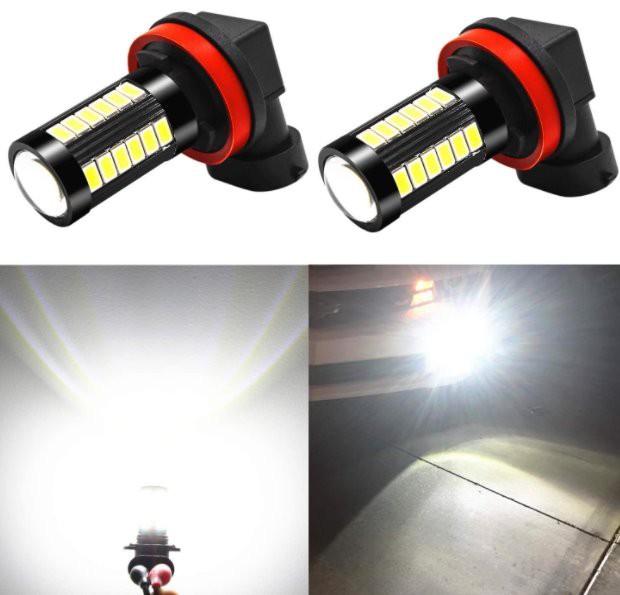
Although it may look like it, fog doesn't actually touch the ground, so fog lights are angled to be as close to the ground as possible. The lights are turned sharply downwards so that only the actual ground ahead of you is lit up, which also helps prevent blinding you (and other drivers).
When changing your front fog lamp bulb, a yellow light bulb is most common. White lights tend to create a glare against rain and snow, which can be confusing, blinding, and dangerous. On the other hand, yellow lights can pierce through the low visibility without glare, making it a softer drive on the eyes.
Safety Precautions When Using the Fog Light
Using low beams
In fog, low-beam headlights are your best friend, as they hey enhance visibility without creating glare that can bounce off the fog.
Using fog lights
If your car has them, use fog lights along with the aforementioned low beams, as they provide better ground-level illumination.
Reducing speed
As is the case in many similar situations, slowing down is crucial, as a manageable speed gives you more time to react to sudden obstacles.
Increasing following distance
Keep a safe distance from the vehicle ahead.This gives you some additional reaction time.
Staying cautious at key points
Intersections, ramps, and merging points require extra caution due to the potential sudden appearances of other vehicles.
Using defrosters and fans
This keeps your windows clear of fog and condensation to maintain visibility.
Sparely using wipers
Useful, excessive use of wipers can smear moisture and worsen visibility, so use them judiciously.
Listening for traffic
Sometimes, you might hear other vehicles before seeing them.Lowering windows slightly can help.
Avoiding high beams and hazard lights
These can impair visibility both for you and for others.
Staying in your lane
Lane changes should be minimized. Hence why it's advised that you use lane markings and the road's edge as guides.
Monitoring road signs
Pay extra attention to signs, especially when approaching curves or intersections.
Using turn signals early
Give others more time to react to your movements by signaling early.
Limiting distractions
Minimize in-car distractions to stay focused on the road.
Planning your route
Know your route well, especially in fog-prone areas, and have alternative plans.
Steps To Replace and Upgrade Your Fog Lights
Remove the old fog lights
Turn off your vehicle and locate the fog lights. They are usually positioned low on the car's front end. Using your screwdriver, remove the screws or bolts holding the fog light assembly in place. Disconnect the wiring harness and remove the old fog light assembly.
Prepare the new fog lights
Unpack your new fog lights and read through the manufacturer's instructions. This step is crucial as different models may require unique installation steps.
Install the new fog lights
Connect the new fog light to the wiring harness. Ensure that the connection is secure to prevent any potential electrical issues. Once done, mount the new fog light assembly in the place of the old one and secure it with the screws or bolts.
Test the new fog lights
Start your vehicle and test the new fog lights. They should illuminate without flickering and should be significantly brighter than the old ones.
Turn off high beam lights
Always switch off your high beam headlights when using fog lights. High beams project light far down the road and can create a blinding effect in foggy conditions.
Selective yellow or amber light
Many fog lights emit a selective yellow or amber light, which is less prone to scattering in fog and reduces glare. This makes them more suitable for foggy conditions than white light.
Proper alignment
Ensure your fog lights are correctly aligned and aimed at the road surface. Misaligned fog lights can create excessive glare for oncoming drivers.
What Are the Trends and Development Directions of Fog Light in the Market
Led lighting technology
Growing adoption of led fog lights due to their energy efficiency, durability, and superior illumination compared to traditional halogen lights.
01
Adaptive fog light systems
Integration of adaptive fog light systems with vehicle sensors to automatically adjust light intensity and direction based on driving conditions.
02
Weather-specific fog lights
Development of specialized fog lights optimized for different weather conditions such as fog, rain, and snow to enhance visibility and safety.
03
Customized fog light designs
Increasing demand for customizable fog light designs with options for different shapes, colors, and mounting styles to match vehicle aesthetics.
04
Connected fog light systems
Integration of fog lights with vehicle communication networks for remote control and advanced safety features such as automatic fog light activation in low-visibility conditions.
05
Our Factory
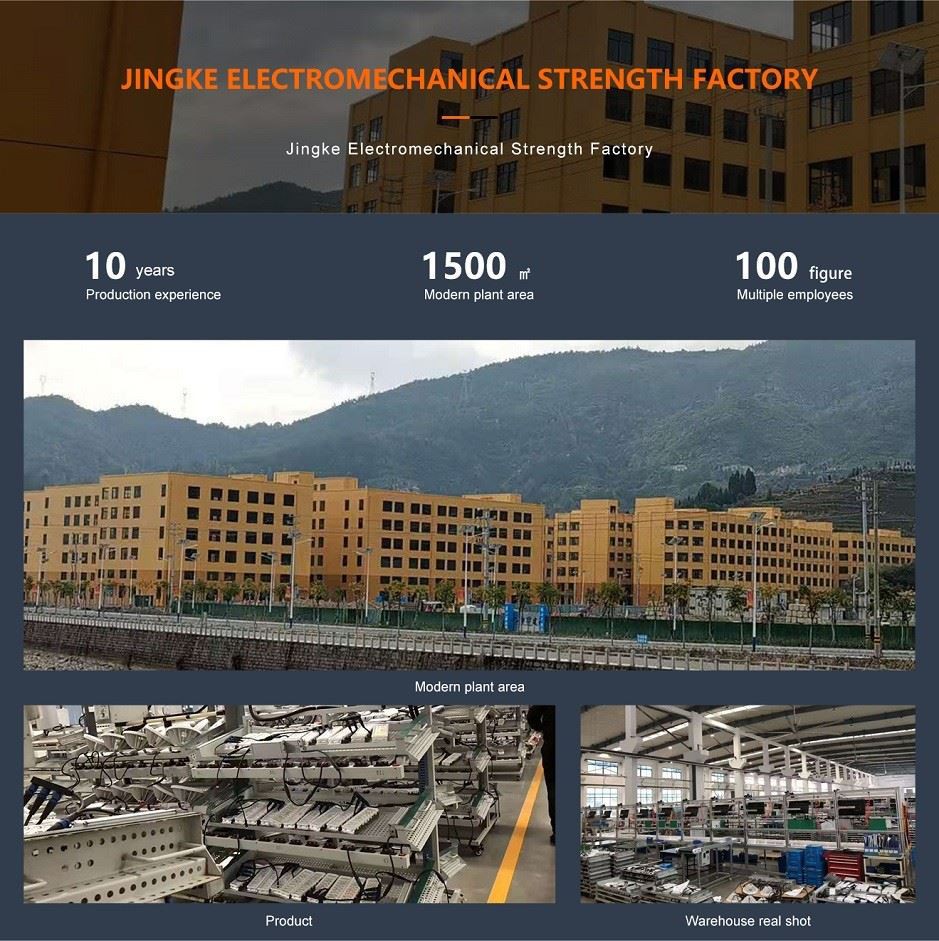
Ruian Precisiontech Machinery & Electronics Co., Ltd.. was established in 2011, specializing in the research and development, production and sales of LED lighting products for gas stations. Factory products have passed national explosion-proof, European CE, German TUV, IP65 and other certifications.The company has 8 R&D personnel, mainly engaged in structural, electronic and optical design. The company always adheres to the market-oriented, and takes technological innovation and model innovation as the foundation of the factory. In terms of quality assurance, we implement a quality control system from incoming materials, manufacturing processes, finished products to shipments; at the same time, we have established a quality assurance system including a supplier management system. In order to improve the combat effectiveness of all staff, the company has formulated a systematic training plan and implemented it by special personnel.
Our Certificate
TUV CB certification, national explosion-proof certification, first-class energy-saving energy efficiency certificate, SASO certification

FAQ
