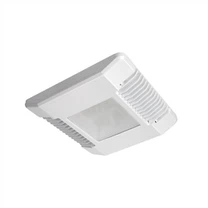


Explosion-proof lighting is required in various industrial and hazardous environments where the presence of flammable gases, vapors, dust, or fibers poses a risk of explosion. Some common industries and locations where explosion-proof lighting is necessary include:
Oil and Gas Industry: Refineries, drilling platforms, petrochemical plants, and other facilities where volatile hydrocarbons are present.
Chemical Processing Plants: Facilities where chemical manufacturing, processing, or storage occurs, as these environments often involve the use of flammable substances.
Mining Operations: Underground mines and processing facilities where combustible dust or gases may be present.
Marine and Offshore Platforms: Ships, offshore drilling rigs, and marine terminals where the presence of flammable materials is common.
Power Plants: Particularly in areas where flammable gases or dust are present, such as coal-fired power plants.
Paint Spray Booths: Locations where flammable paint or solvent vapors are present during painting processes.
Food and Beverage Industry: Areas where dust or vapors from certain food processing operations can be explosive.
Pharmaceutical Industry: Facilities where the production or processing of certain pharmaceutical substances involves flammable materials.
Aircraft Hangars: Locations where aviation fuel or other flammable materials are present.
Munitions and Explosives Handling: Military facilities where the risk of explosive materials is high.
It's essential to follow safety regulations and guidelines, such as those provided by organizations like the Occupational Safety and Health Administration (OSHA) in the United States, to determine the specific requirements for explosion-proof lighting in a given environment. Compliance with these regulations helps ensure the safety of personnel and property in potentially hazardous areas.