

Although LED lights are generally considered safe and reliable, they can cause problems if used incorrectly or of poor quality. Here are some examples:
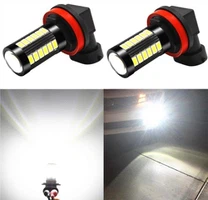
Glare: LED lights produce a lot of glare, especially if they are not properly shielded or aimed at them. This can be dangerous for other drivers on the road, as glare can damage their vision and increase the risk of accidents.
Interference with electronic devices: Poor quality lights can sometimes lead to interference with electronic devices such as radios, televisions or other electronic devices. This is because they can emit electromagnetic interference (EMI), which can destroy electronic signals.
Eye strain and headaches: May be very bright and produce a lot of blue light, which can cause eye strain and headaches, especially if you are exposed to them for a long time.
Environmental impact: Poor quality lamps may contain hazardous materials such as lead, mercury, or arsenic, which can be harmful to the environment if the environment is not handled correctly.
Incompatible with dimmer switches: Some lights may not be compatible with dimmer switches, which can cause flickering, buzzing or other performance issues.
To avoid these problems, it is important to choose high quality LED lights, follow the manufacturer's instructions for installation and use, and make sure they are compatible with your fixtures and power supply. In addition, it is important to choose LED lights with warm color temperatures and avoid staring directly at them for long periods of time to reduce eye strain and headaches.