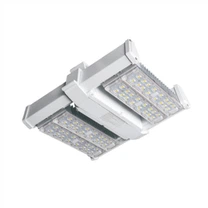


There are several different types of explosion-proof lights, each designed for specific applications and environments. Here are some of the most common types:
Explosion-proof LED lights: These lights use light-emitting diodes (LEDs) to provide high-efficiency, long-lasting illumination. They are often made of materials that are resistant to corrosion, impact, and extreme temperatures.
Explosion-proof fluorescent lights: These lights use fluorescent tubes to provide bright, energy-efficient illumination. They are often used in areas where LED lights are not suitable.
Explosion-proof high-intensity discharge (HID) lights: These lights use a high-pressure gas discharge to provide bright, intense illumination. They are often used in areas where high levels of light are required.
Explosion-proof emergency lights: These lights are designed to provide illumination in emergency situations, such as power outages or evacuations. They may use LEDs or fluorescent tubes and often include battery backup power supplies.
Explosion-proof floodlights and area lights: These lights are designed to provide broad, high-intensity illumination for large areas. They may use LEDs or HID lamps and are often used in outdoor areas such as loading docks, parking lots, and sports fields.
Explosion-proof high bay lights: These lights are designed to provide high-intensity illumination for large indoor spaces, such as warehouses and factories. They may use LEDs or HID lamps and are often mounted on high ceilings.
It's important to note that the type of explosion-proof light that is best for a particular application will depend on several factors, including the level of hazardous material present, the size and shape of the area to be illuminated, and the level of illumination required. Consulting with a lighting specialist can help ensure that the right type of explosion-proof light is chosen for a particular application.